Intermediary Solutions for Graphic Asset Distribution in German and Austrian Multilingual Poker Web Frameworks
Jakob Keller · Oct 25, 2026
Intermediary Solutions for Graphic Asset Distribution in German and Austrian Multilingual Poker Web Frameworks
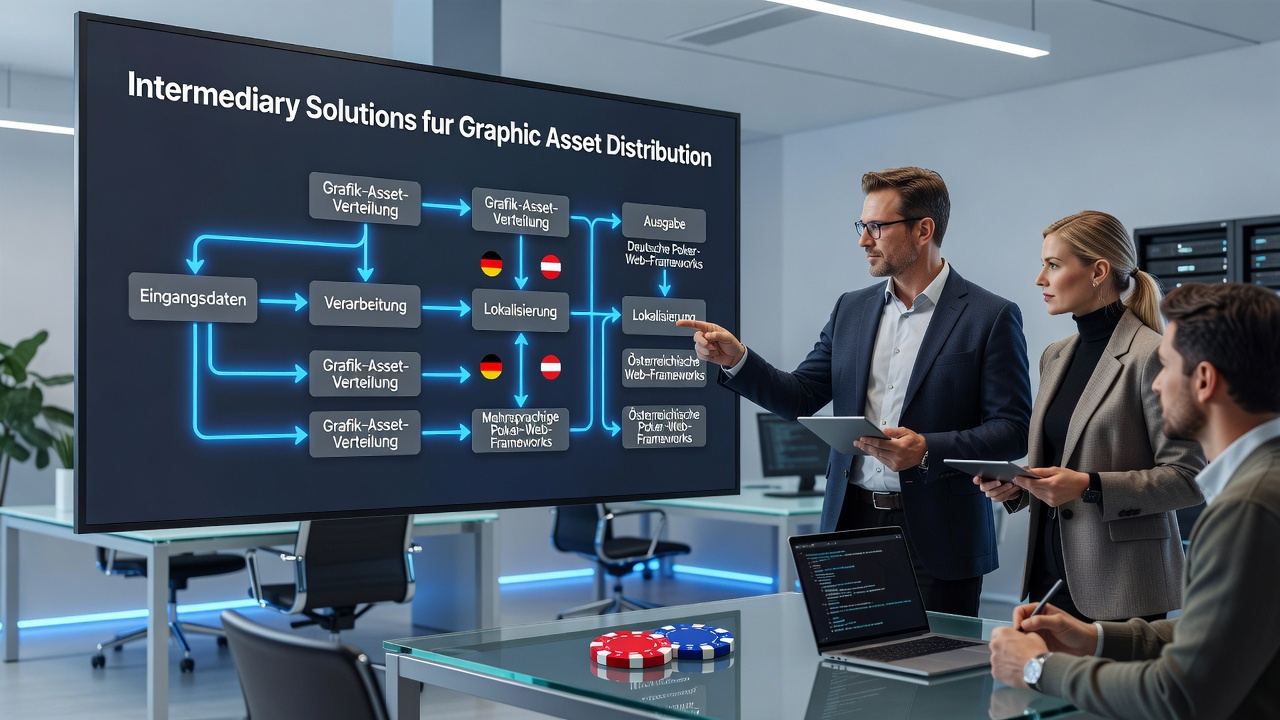
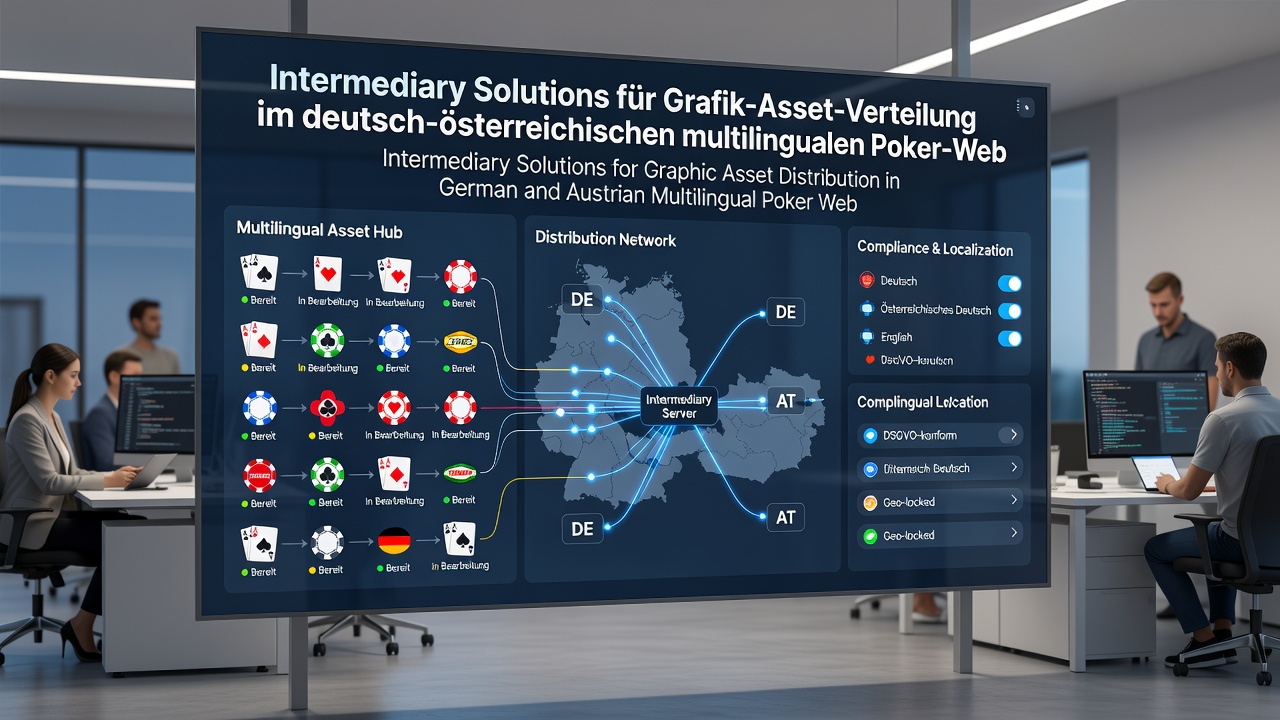
Intermediary solutions handle the distribution of graphic assets across multilingual poker web frameworks that operate in German and Austrian markets, where platforms must serve localized images, icons, and visual elements to users in different languages while maintaining performance standards. These solutions sit between content origin servers and end-user browsers, routing requests through optimized pathways that account for regional data regulations and language-specific asset variations.
Core Components of Intermediary Systems
Intermediary layers typically include content delivery networks configured with regional edge nodes, asset versioning managers, and language-aware routing engines that detect user preferences based on browser settings or account profiles. Data from the European Gaming and Betting Association shows that frameworks serving both Germany and Austria process thousands of graphic requests per second during peak hours, with intermediaries reducing latency by directing traffic to the nearest compliant server cluster.
Researchers at institutions studying digital media distribution note that these systems often integrate with backend databases that tag assets by language code, such as de-DE for German in Germany and de-AT for Austrian variants, allowing automatic selection without duplicating entire file libraries. One study revealed that proper tagging cuts storage requirements by up to 40 percent while preserving visual consistency across interfaces.
Regulatory and Technical Considerations in the Region
German and Austrian frameworks must align with data protection rules that influence where graphic assets can be cached and how user location data informs asset selection. Intermediary solutions incorporate geo-fencing logic that complies with these requirements, routing requests through approved pathways rather than unrestricted global networks. Figures from regulatory filings indicate that platforms updated their intermediary configurations in 2025 to handle new reporting obligations on data flows between member states.
October 2026 brings additional platform migrations as several operators consolidate their Austrian and German language assets into unified intermediary pipelines, aiming to streamline updates for seasonal promotions and tournament visuals. Observers note that this consolidation allows faster rollout of localized graphics without separate deployment cycles for each market.
Implementation Patterns Observed in Practice
Many frameworks employ a hybrid model where static assets like card backs and table backgrounds route through dedicated intermediary caches, while dynamic elements such as player avatars or live tournament banners pull from origin servers with language overlays applied at the edge. This approach balances bandwidth costs against the need for real-time customization. There's this case where experts found that adding compression layers at intermediary points lowered overall data transfer volumes by measurable margins during high-traffic events.
Another pattern involves API gateways that serve as intermediaries for asset metadata, enabling poker sites to query available graphics by language and region before delivering the actual files. Such gateways help maintain synchronization when new multilingual variants are introduced, particularly for interface elements that must reflect both standard German and Austrian dialect preferences in menu labels and help text.
Performance Metrics and Optimization Techniques
Performance data collected across multiple deployments shows that intermediary solutions can achieve sub-100-millisecond delivery times for graphic assets when edge nodes are positioned within the DACH region. These metrics improve further when systems apply predictive caching based on historical traffic patterns tied to major poker tournaments. What's significant is how these optimizations scale during October events, when player numbers typically rise and demand for fresh visual content increases.
Techniques such as differential asset updates allow intermediaries to push only changed files rather than full sets, which proves useful for frameworks that refresh poker table themes or sponsor logos on a regular schedule. Industry reports highlight that this method reduces bandwidth usage without sacrificing the multilingual integrity of distributed graphics.
Future Directions in Asset Management
Developments in 2026 point toward greater integration of intermediary solutions with automated translation pipelines that generate text overlays for graphics on the fly. This reduces the need for pre-rendered versions of every asset in every supported language. Academic papers on digital content distribution describe how machine-assisted processes combined with human review maintain accuracy while speeding up asset production cycles for German and Austrian markets.
Platforms continue to test intermediary configurations that incorporate machine learning models for traffic prediction, allowing proactive asset preloading at regional nodes ahead of expected usage spikes. Such testing remains grounded in compliance requirements that govern data handling across borders.
Conclusion
Intermediary solutions form a critical layer in the graphic asset pipelines of German and Austrian multilingual poker web frameworks, supporting efficient distribution while respecting regional technical and regulatory demands. Continued refinement of these systems through 2026 reflects ongoing adaptation to changing user volumes and content requirements in the sector.