Backend Architectures Enabling Visual Asset Routing Across Multilingual Card Platforms in the DACH Region
Jakob Keller · Nov 22, 2026
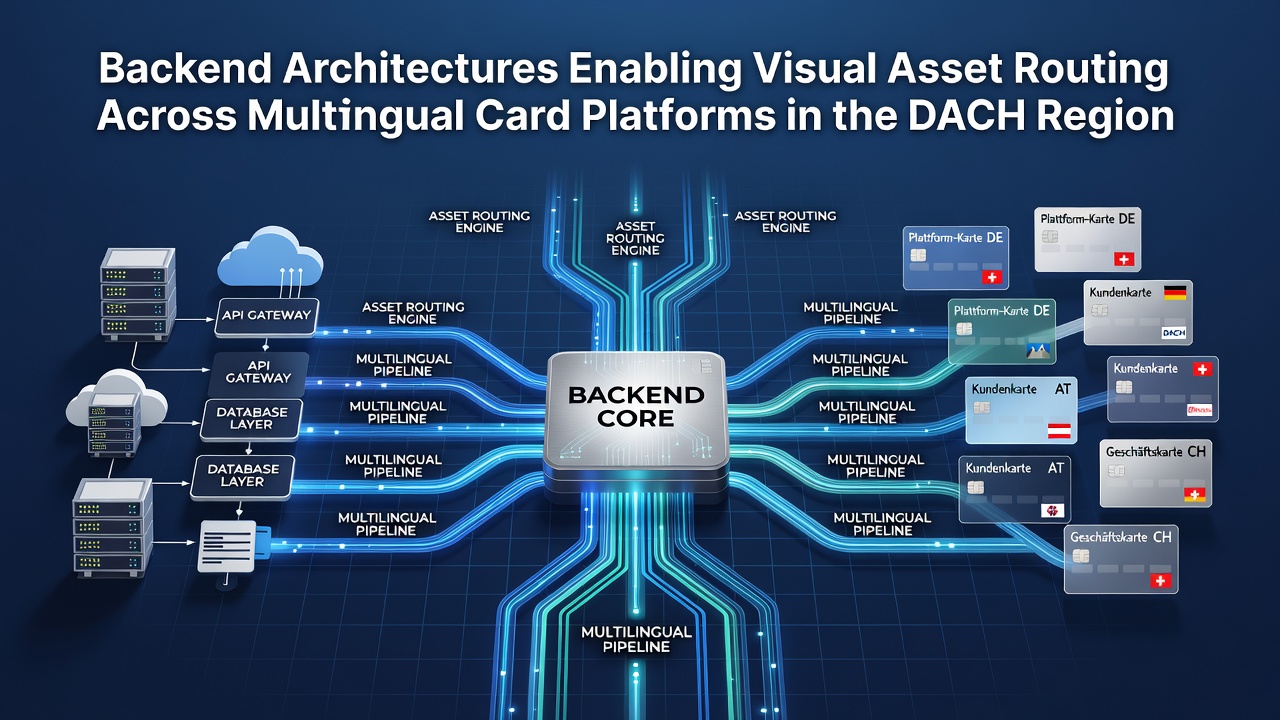
Backend Architectures Enabling Visual Asset Routing Across Multilingual Card Platforms in the DACH Region
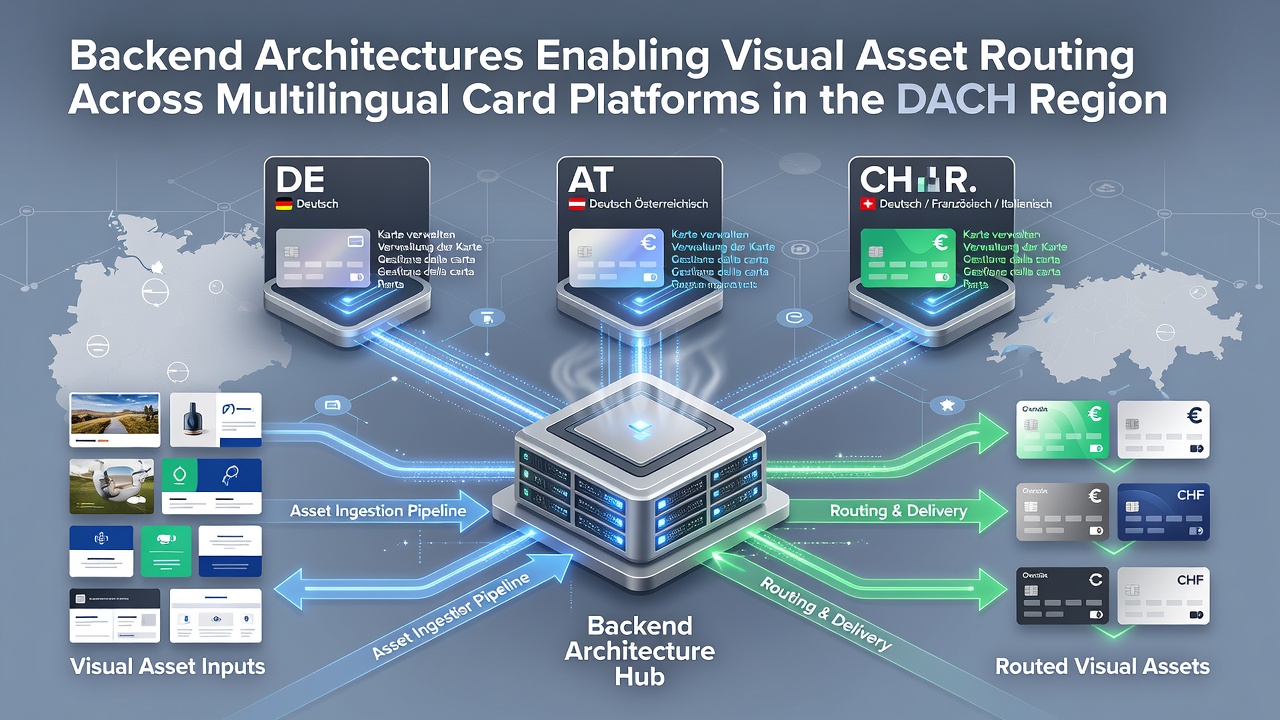
Backend systems that manage visual asset routing for multilingual card platforms in the DACH region rely on layered architectures combining content delivery networks, geo-aware load balancers, and database-driven asset registries, while operators in Germany, Austria, and Switzerland coordinate these elements to serve localized card graphics, interface elements, and promotional visuals without duplication across language variants.
Systems typically begin with an asset ingestion layer that tags every visual file with metadata for language, region, and game variant, then feed that data into routing engines which query user session details such as browser locale headers and IP-derived location before selecting the correct asset path, and this process repeats at scale for thousands of concurrent sessions during peak hours.
Core Components of Asset Routing Layers
Researchers at institutions studying distributed content systems have documented how microservice clusters handle the separation of concerns in these setups, with one service managing asset metadata, another controlling cache invalidation rules, and a third executing the actual routing logic based on real-time user profiles, while container orchestration platforms coordinate deployment across data centers located in Frankfurt, Vienna, and Zurich.
Database schemas store asset variants in tables that link each visual element to multiple language codes and regulatory compliance flags, allowing queries to return the appropriate file path within milliseconds, and these schemas often incorporate versioning fields so that updates to a single card design propagate only to the regions and languages that require the change.
Handling Multilingual Demands in Card Interfaces
Platforms serving German, French, Italian, and English users in Switzerland alongside German and Austrian markets must resolve language preferences at the edge before assets reach the client, and routing engines accomplish this by combining HTTP accept-language headers with explicit user account settings stored in profile databases, after which the selected asset travels through optimized CDN edges that maintain separate cache partitions per language group.
Studies of similar multilingual content networks show that cache hit rates improve when assets receive unique keys that embed both language and region identifiers, reducing unnecessary origin fetches, while operators monitor these metrics through centralized dashboards that track delivery times across the three countries.
Integration with Regulatory and Technical Standards
Compliance requirements in each DACH jurisdiction influence how assets receive classification tags before routing occurs, and backend services incorporate checks against lists maintained by national authorities to ensure that visual elements meet local presentation rules without blocking cross-border delivery for shared language communities.
Data from industry reports published by the European Commission indicate that standardized metadata schemas help operators maintain consistency while adapting to jurisdiction-specific display constraints, and these schemas integrate directly with the routing layer so that a single asset request triggers both localization and compliance validation.
Performance Optimization Techniques Observed in 2026
In November 2026 several operators completed migrations to edge-compute functions that execute lightweight routing decisions closer to end users, cutting average asset delivery latency by routing decisions that previously occurred at central application servers, and these functions query regional databases replicated from primary registries in each country.
Load testing conducted by platform teams revealed that combining predictive prefetching based on historical session patterns with dynamic routing reduced origin server hits during language-switch events, while fallback mechanisms ensured that missing localized assets defaulted to a verified base variant without interrupting user sessions.
Future Directions for DACH Card Platform Backends
Architects continue to explore tighter integration between asset routing services and player preference engines so that updates to display settings trigger immediate cache refreshes across relevant edges, and early implementations use event-driven pipelines that propagate changes within seconds rather than relying on scheduled synchronization jobs.
Conclusion
Backend architectures supporting visual asset routing on multilingual card platforms in the DACH region demonstrate how coordinated use of metadata tagging, geo-language routing logic, and distributed caching meets both technical performance goals and regulatory expectations across Germany, Austria, and Switzerland, with ongoing refinements driven by measured delivery metrics and infrastructure updates recorded through late 2026.